
Who’s Exempt From EPCs and Why
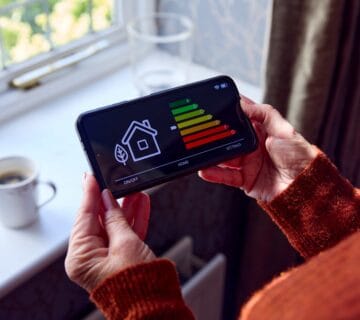
Energy Performance Certificates (EPCs) are a legal requirement for most properties being sold, let, or built. They help buyers and tenants understand how energy-efficient a building is, with ratings from A (most efficient) to G (least efficient).
However, not every building fits neatly into the same category. Some are exempt because of their purpose, age, or construction. Understanding whether your property qualifies for an exemption saves time, avoids fines, and keeps your marketing legally compliant.
Understanding EPC Exemptions
EPC regulations are designed for typical residential and commercial properties. But in certain cases, producing a certificate doesn’t make sense, either because the property is temporary, uses little energy, or is protected for heritage reasons.
Exemptions are not automatic. Each one must meet defined criteria and be supported by evidence. If a property is sold or let without a valid EPC or a registered exemption, the owner or agent could face penalties of up to £5,000 and marketing delays.
Common EPC Exemptions
1. Listed Buildings Where Works Would Harm Character
If your property is listed and improving its efficiency would alter its protected character, it can qualify for exemption. You’ll need professional evidence explaining why standard energy measures — such as external wall insulation or double glazing — would damage the building’s significance.
2. Places of Worship
Churches, mosques, temples, and other places of worship are exempt because their energy use patterns differ significantly from standard domestic or commercial properties.
3. Temporary Buildings
If a building is intended to be used for less than two years, such as site offices or temporary classrooms, it doesn’t require an EPC.
4. Low-Energy Demand Buildings
Some agricultural or industrial buildings that use very little energy, such as barns or workshops with minimal heating or cooling, are exempt. They must meet specific thresholds set out in government guidance.
5. Properties Set for Demolition
Buildings due to be demolished with full planning consent are exempt. However, the demolition consent must already be granted and verifiable at the time of marketing.
6. Standalone Buildings Under 50m²
Detached buildings smaller than 50 square metres that are not used for residential accommodation are typically exempt.
Evidence You Need to Register an Exemption
Every exemption requires a valid reason and supporting proof. Acceptable evidence includes:
- A written statement or report from a chartered surveyor or conservation officer.
- Planning or demolition consent documentation.
- Utility bills or energy records for low-demand buildings.
- Photos or drawings demonstrating the building’s specific conditions.
This documentation is uploaded to the Private Rented Sector (PRS) Exemptions Register, which records and verifies valid exemptions across the UK.
How To Register an EPC Exemption
The process is handled online through the official government portal. To register:
- Gather your evidence and ensure it meets one of the exemption categories.
- Create an account on the PRS Exemptions Register (gov.uk).
- Upload your supporting documents and provide property details.
- Review confirmation and expiry dates.
Exemptions last for five years. They must be renewed if the circumstances that justified the exemption still apply.
Risks of Incorrect or Outdated Exemptions
Failing to register correctly can lead to enforcement action. Local authorities can issue fines, and estate agents may refuse to market a property until compliance is proven.
Common mistakes include:
- Assuming a listed building is automatically exempt.
- Registering without sufficient supporting evidence.
- Forgetting to renew after five years.
Each of these can invalidate your exemption and expose you to penalties.
What To Do If You’re Unsure
If you’re uncertain whether your property qualifies, seek professional advice from an accredited energy assessor or chartered surveyor. They can confirm if the exemption criteria apply and help you gather valid evidence.
When in doubt, it’s often simpler to commission an EPC anyway. Even a low rating can still help identify simple improvements that reduce running costs and make your property more attractive to buyers or tenants.
Summary
Most buildings need an EPC when sold or let. Exemptions exist for specific cases, such as listed buildings, places of worship, temporary structures, or those with exceptionally low energy use. Each exemption must be registered with clear proof and renewed every five years.
For landlords and agents, managing exemptions properly prevents marketing delays and protects you from penalties.
FAQs
How long does an EPC exemption last?
An exemption lasts for five years. It must be renewed with updated supporting evidence if the same conditions still apply.
Can I market a property while an exemption is being processed?
No. You must complete registration and receive confirmation before marketing to stay compliant.
Do listed buildings automatically qualify for exemption?
Not automatically. You must prove that the required energy improvements would alter the building’s protected character.
Where do I register an EPC exemption?
Exemptions are registered online through the government’s Private Rented Sector (PRS) Exemptions Register.
What happens if I market without an EPC or a valid exemption?
You may be fined up to £5,000 and required to withdraw the listing until compliance is achieved.